Ghosh Lab
Meet the Team
The Ghosh Lab opened in March 2026 and is building its founding group. Everyone here works at the intersection of retinal cell biology, immunology, and translational vision science.
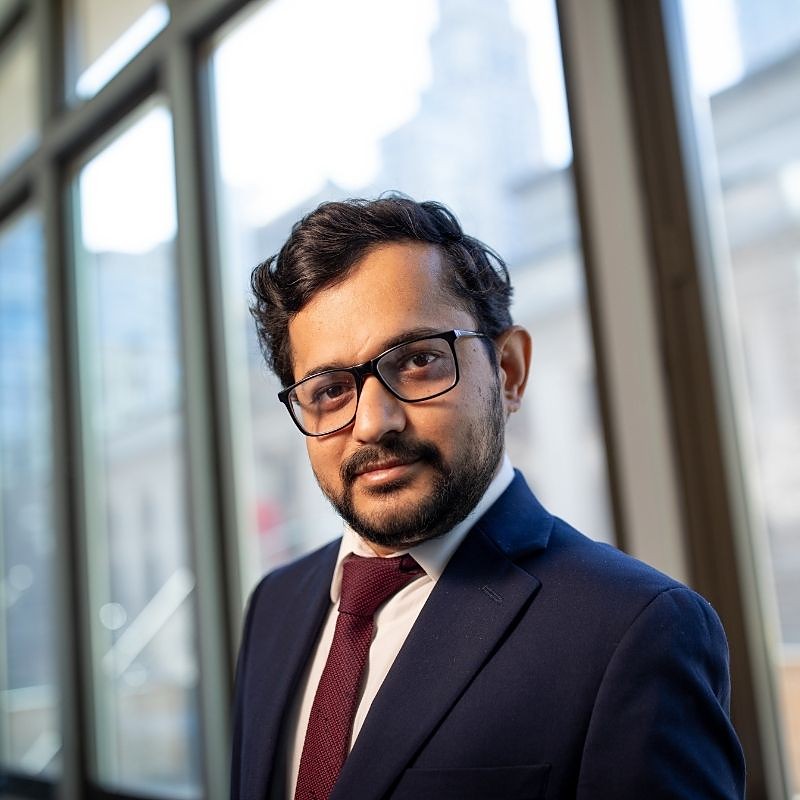
Dr. Sayan Ghosh, PhD
Assistant Professor, Department of Biological and Vision Sciences, SUNY College of Optometry
Dr. Ghosh leads a research program on the molecular and immunological mechanisms behind retinal degenerative disease, with a focus on age-related macular degeneration. He trained at the University of Pittsburgh School of Medicine and held a junior faculty position at the Wilmer Eye Institute at Johns Hopkins before founding the Ghosh Lab in March 2026.
Postdoctoral Researchers
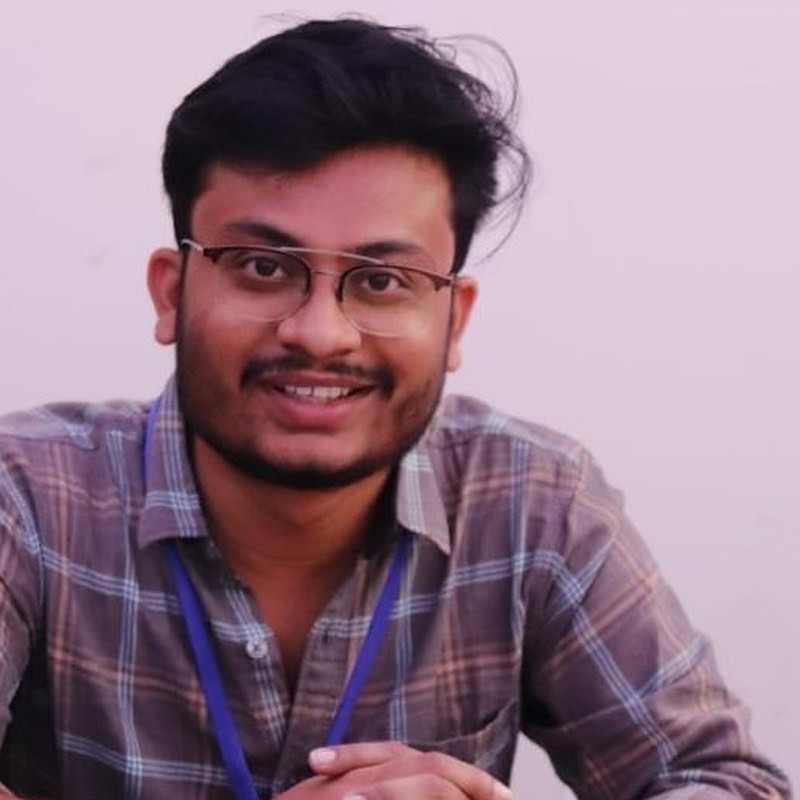
Postdoctoral Researcher
Dr. Udaykanth Suryavanshi, PhD
I completed my PhD at Osmania University, carrying out my doctoral research in the Department of Biochemistry at the ICMR-National Institute of Nutrition. My research focused on the role of vitamin B12 in diabetic neurodegeneration, using rodent models.
During my PhD I worked across neurodegeneration, diabetes, aging, nutrition, and cell culture, which built strong expertise in both molecular biology and animal behavioral research. That work looked specifically at how vitamin B12 supplementation affects ER stress, the ubiquitin-proteasome system, astrogliosis, and apoptosis in the cerebral cortex, all pathways known to be disrupted in diabetic conditions. It also involved neurobehavioral assessment in rodent models, including cognitive, anxiety-related, and depression-like studies.
More recently I have worked on drug permeability across intestinal and blood-brain barrier cell culture models, focusing on in vitro transport and permeability assessment.
Outside the lab I enjoy outdoor games, music, and good food, mainly biryani. I also turn into a mobile photographer whenever I spot an interesting pattern, a shadow, a cloud, or some oddly satisfying symmetry. My gallery is a mix of research screenshots, blurry lab notes, and unexpectedly artistic pictures. I hold that biryani is not just food but an emotion, and my appreciation for it is probably stronger than my caffeine dependence.
Graduate Students
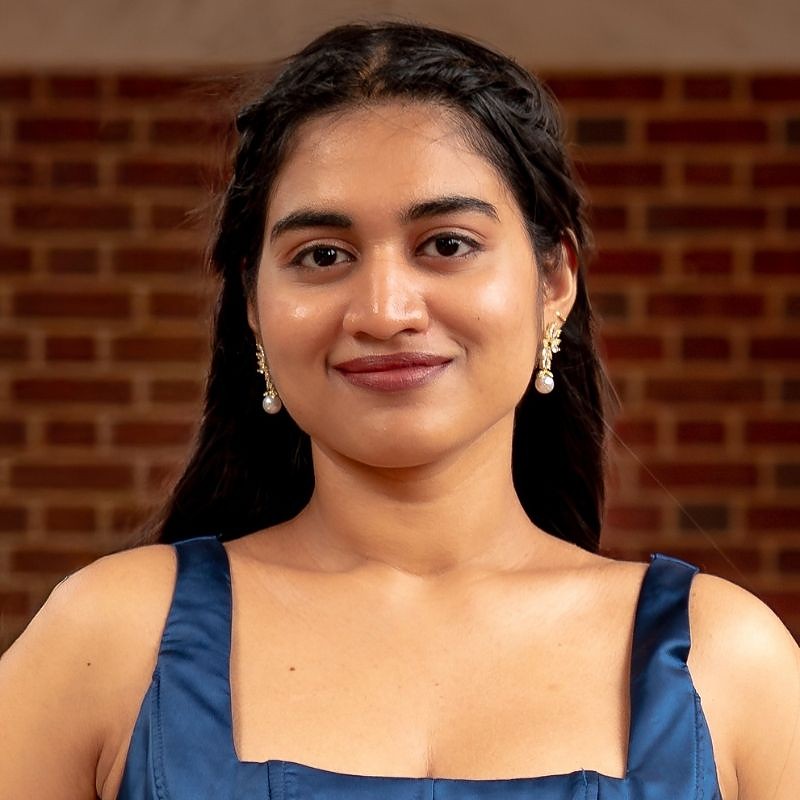
PhD Student, Vision Science
Sriyanjali Bathula
My research journey has moved across chemical engineering, nanomedicine, drug delivery, and now vision science. I completed my undergraduate degree in chemical engineering, followed by an MSE in Chemical and Biomolecular Engineering at Johns Hopkins University, and I am now pursuing a PhD in Vision Science at SUNY College of Optometry. What I like about chemical engineering is that it is not limited to one field. It gives you a foundation that can take you almost anywhere.
My current research interests focus on age-related macular degeneration and on retinal disease models that better capture human biology. I am especially drawn to organoids, because they give us more than a simple yes or no. My previous work involved dendrimer-based drug delivery, mainly for obesity and neuroinflammatory diseases, where organoids helped me look past the outcome. Instead of only asking whether something works, they make us ask how it works, why it works, and whether the mechanism we had in mind is really the one driving the response.
Cells do not simply fail under intervention. They adapt, and sometimes they find a new equilibrium. Organoids preserve the heterogeneity, the spatial structure, and the conversations between cells. There is also something genuinely good about watching biology organize itself into structure, and they are beautiful to look at.
Outside the lab I enjoy traveling, over-researching restaurants, taking far too many pictures, and pretending that walking 20,000 steps on vacation counts as relaxing. Feel free to reach out.
There Is Room in This Lab
We are recruiting postdoctoral fellows, graduate students, and research technicians. The lab is new, which means the people who join now shape how it works.