
Some of SUNY Optometry’s graduating awardees reflect on the experiences that shaped their journey , and share advice for future optometry students.
What does receiving this award mean to you?
“I believe giving back to others is a fundamental part of what it means to be a doctor and an overall good neighbor. It is something I continuously strive toward, and I know it is a lifelong commitment, alongside always remaining a student and continuing to learn from those around me. Receiving this award reassures me that I am on the right path, and I am truly grateful to be recognized for something that is so important to me both personally and professionally.”
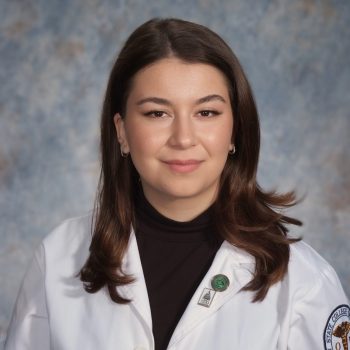
What does receiving this award mean to you?
“I am so honored to receive this award. My mentors and peers at SUNY have taught me so much. The past four years have been full of unforgettable experiences and I look forward to continuing to learn and grow as an eye care provider.”
What advice would you give incoming or prospective optometry students?
“Always keep an open mind and learn from your mistakes. It is natural to feel overwhelmed in school and in the clinic, so try to remember to take care of yourself and know that everyone else is going through the same thing. Like any other skill, mastering optometry takes practice and patience, but it is so worth it in the end.”

What does receiving these awards mean to you?
“Receiving these awards means a great deal to me. These are a symbol of all the hard work and dedication I put into my education and clinical advancement.”
What advice would you give incoming or prospective optometry students?
“I would tell any incoming student to jump at every opportunity given to you throughout your time at school. Yes, it’s important to learn all the material and practice your clinical skills, but it is the connections you make that will propel your future and the events you attend that will make your time at SUNY fulfilling.”

What does receiving this award mean to you?
“It is a tremendous honor to receive this award after four years of hard work and dedication to my studies. I am grateful to have been recognized by the BSK organization and look forward to using the knowledge I have gained throughout my time at SUNY Optometry to enrich the lives of my patients.”
What advice would you give incoming or prospective optometry students?
“Just keep going. There will be days when you want to give up, but remember your end goal. Once you have the chance to improve somebody’s life, it all becomes worth it.”

What advice would you give incoming or prospective optometry students?
“I would advise incoming optometry students to always keep the end goal of providing excellent patient care in mind, especially during challenging moments throughout their training. The journey can be demanding both academically and personally, but remembering why you chose this profession can help maintain perspective and motivation.
I would also encourage students not to take criticism or setbacks personally. Clinical and professional growth requires openness to feedback and a willingness to continuously learn and improve. Leave your ego at the door, remain humble, and approach every experience as an opportunity to become a better clinician and advocate for your patients.
Most importantly, trust the process, support your peers, and remember that every challenge encountered during training ultimately contributes to becoming a compassionate and competent optometrist.”
What advice would you give incoming or prospective optometry students?
“I would advise incoming optometry students to always keep the end goal of providing excellent patient care in mind, especially during challenging moments throughout their training. The journey can be demanding both academically and personally, but remembering why you chose this profession can help maintain perspective and motivation.
I would also encourage students not to take criticism or setbacks personally. Clinical and professional growth requires openness to feedback and a willingness to continuously learn and improve. Leave your ego at the door, remain humble, and approach every experience as an opportunity to become a better clinician and advocate for your patients.
Most importantly, trust the process, support your peers, and remember that every challenge encountered during training ultimately contributes to becoming a compassionate and competent optometrist.”
