
The PhD in Vision Science program is exclusively offered at our campus located at 33 West 42nd Street, New York, NY 10036. All courses, research facilities, and the University Eye Center are situated in midtown Manhattan
Vision science is a highly multidisciplinary field that encompasses basic, translational and clinical research in areas of molecular biology, chemistry, physics, applied mathematics, engineering as well as cellular, cognitive and behavioral neuroscience. The Graduate Program in Vision Science embraces this inherent diversity as the foundation for a robust program offering training that intersects these varied disciplines. Students in the graduate program may work towards either a PhD or MS degree in Vision Science.
The doctoral program provides intensive training for students interested in a research career in academia or industry. PhD students participate in a series of courses, seminars, tutorials and journal clubs and receive intensive training in selected areas of vision research. Students must complete an original doctoral dissertation project in basic, translational or clinical vision research.
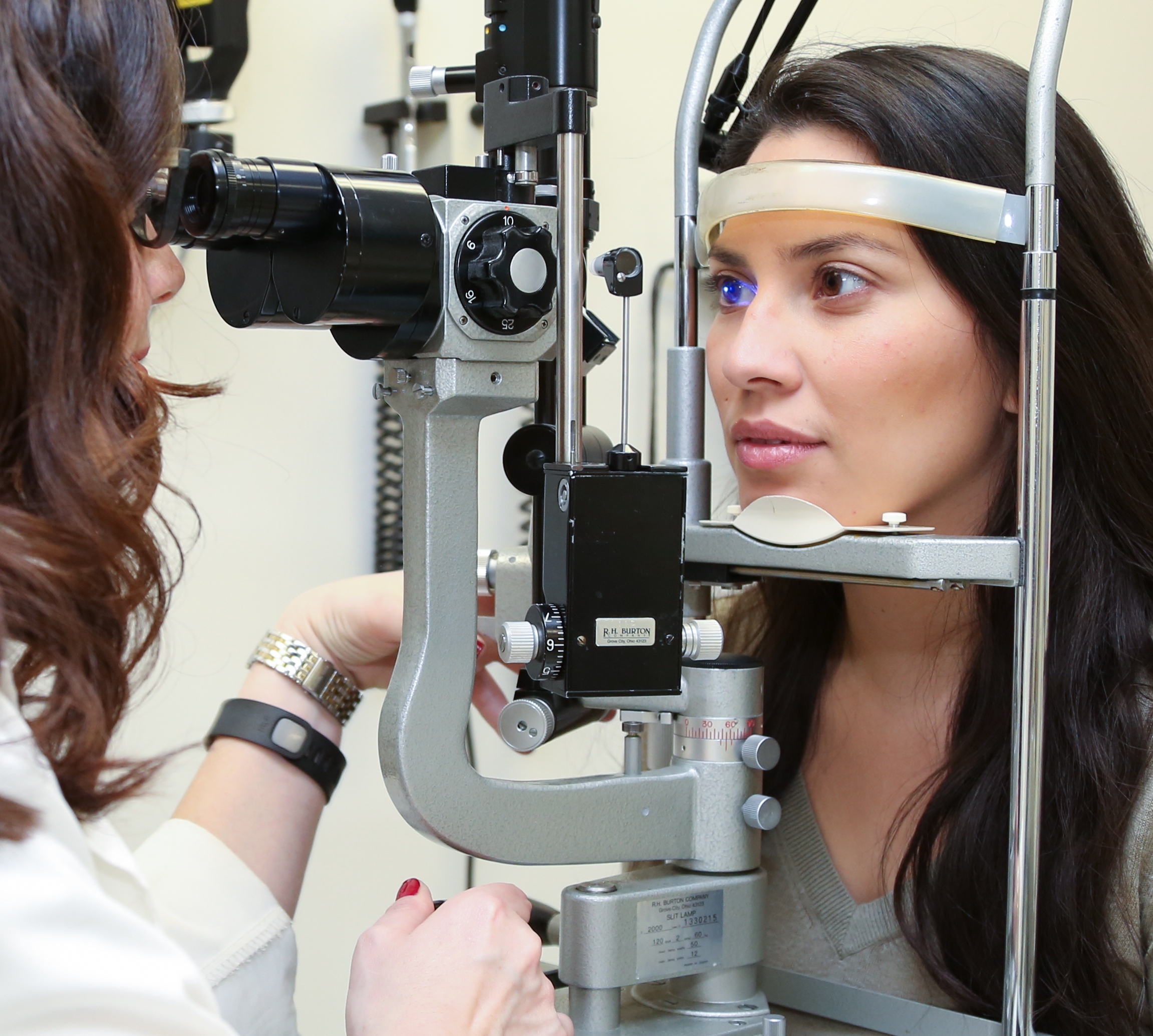
The PhD in Vision Science requires the completion of 80 semester hours of course credit. The core curriculum requirements include a year-long Proseminar, which provides a comprehensive introduction to vision science, a minimum of five seminars/tutorials, an introduction to statistical methods, and a course in ethics in research. In addition, students must complete a minimum of two laboratory rotations during the first year. During the laboratory rotations, students develop technical laboratory skills needed for research and gain experience interacting with a variety of researchers in different laboratory settings. By the end of their third year in the program, students complete a qualifying exam which consists of the submission of a written Dissertation Proposal followed by the oral defense of the proposal. Successful completion of the dissertation defense is the final requirement of the doctoral degree. PhD students are eligible for financial support through graduate student stipends, tuition waivers, grants and fellowships.

All applicants must complete the following requirements to be considered for admission to the PhD in Vision Science Program:
These documents should be emailed to graduateprogram@sunyopt.edu. If you choose to mail the above documents, please use the address below:
SUNY College of Optometry
Graduate Center for Vision Research
33 West 42nd Street, 17th Floor
New York, NY 10036
United States
The deadline to submit the PhD in Vision Science application is February 15. There is a $75 application fee for the PhD in Vision Science application. If you have previously submitted your application, please pay the application fee here.
Full-time PhD students receive tuition waivers and stipends. The stipends are usually in the form of graduate assistantships. As of Fall 2026, the current graduate assistantship stipend is $42,500 per year. Graduate students with an OD degree and a NYS optometric license may also apply for part-time clinical appointments.
The Graduate Program in Vision Science provides comprehensive research training that positions our students to achieve career success and make significant contributions to the field. It combines a rigorous, intellectual program of study and research with an interactive, collegial sense of community.
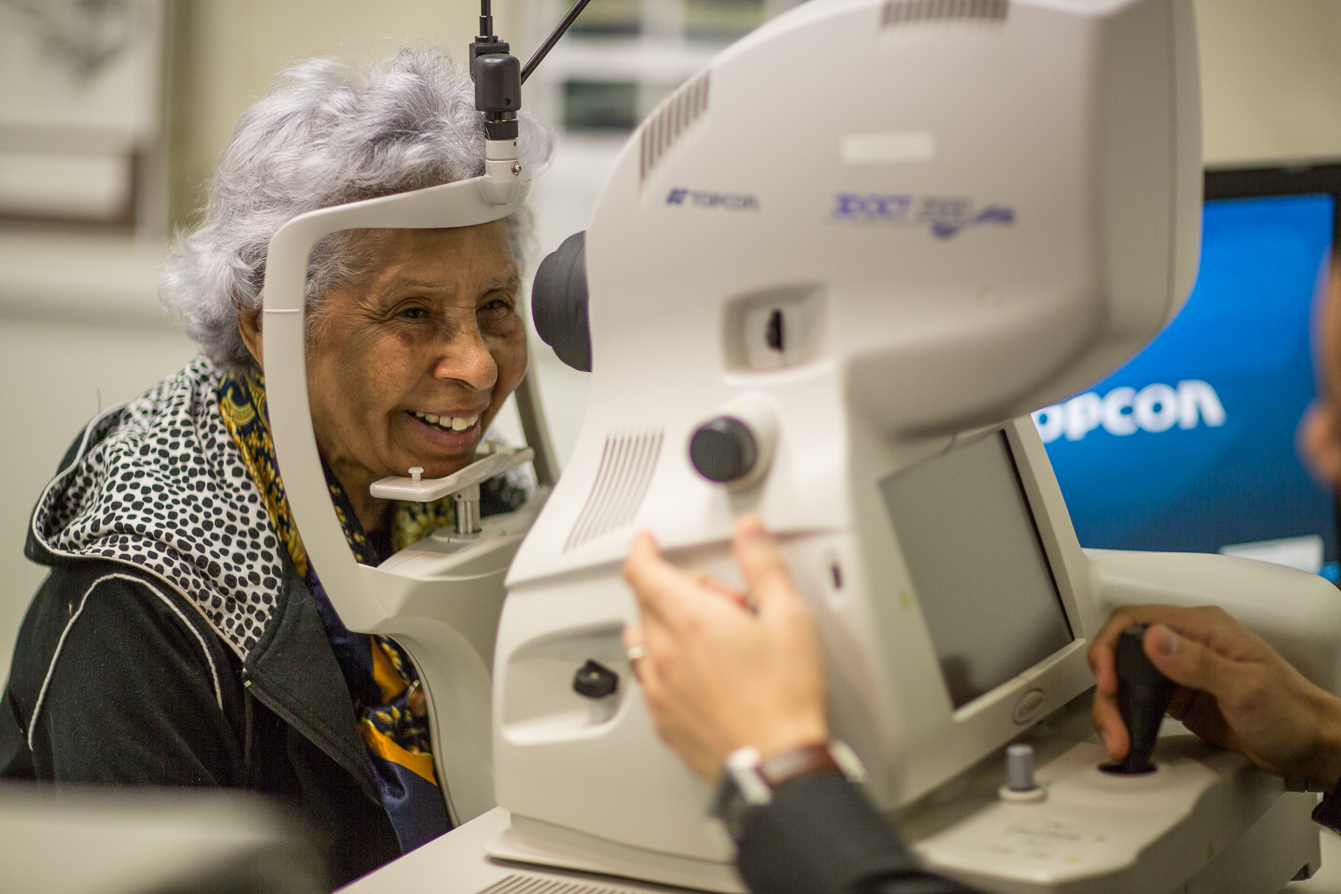
The Graduate Program in Vision Science operates within the Graduate Center for Vision Research (GCVR). For a concise overview of the program, including its admission requirements, degree requirements and curriculum, please download our Graduate Policy Document or Doctoral Student Handbook.
For more information on the Graduate Program in Vision Science, please contact graduateprogram@sunyopt.edu.